
How to Plan a Luxury Marriage Proposal Abroad
The gap between imagining a destination proposal and actually executing one is wider than most people expect. The setting, the timing, the logistics of getting two people to the right place without one of them knowing what is about to happen – each of these is a separate problem that requires a separate solution.
This guide covers the process from start to finish, plainly and practically.
Start With the Destination, Not the Setup
The most common planning mistake is deciding on the setup before deciding on the destination. The setup is the last decision, not the first.
The destination determines the light, the atmosphere, the level of privacy available, the photographer options, and the logistical complexity of the day. It also determines whether the moment will feel right to both of you – and that question deserves more thought than it usually gets.
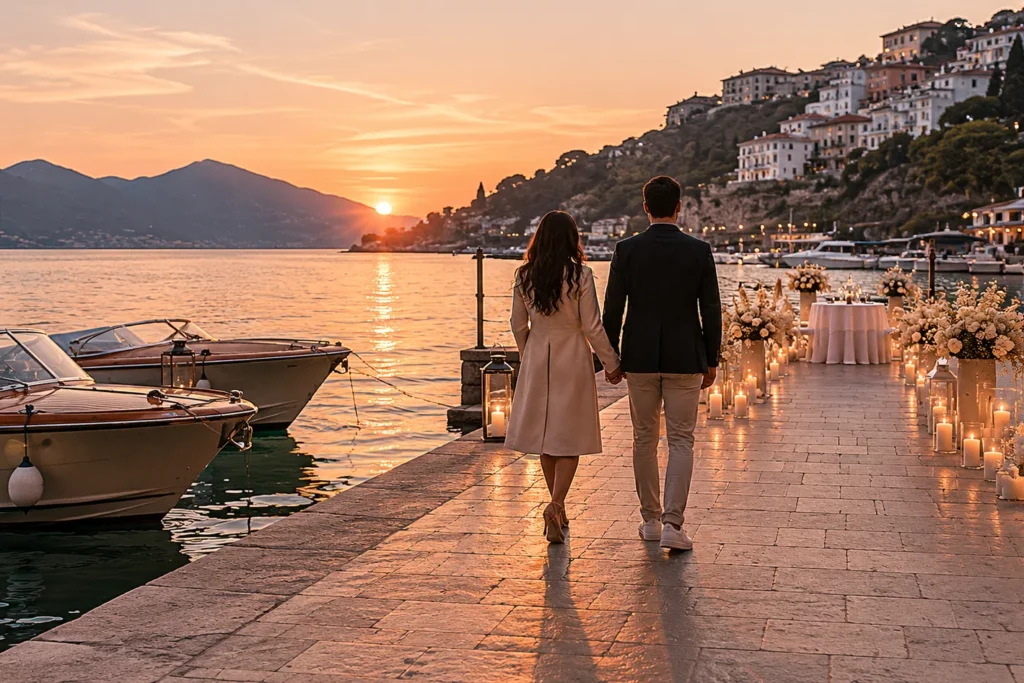
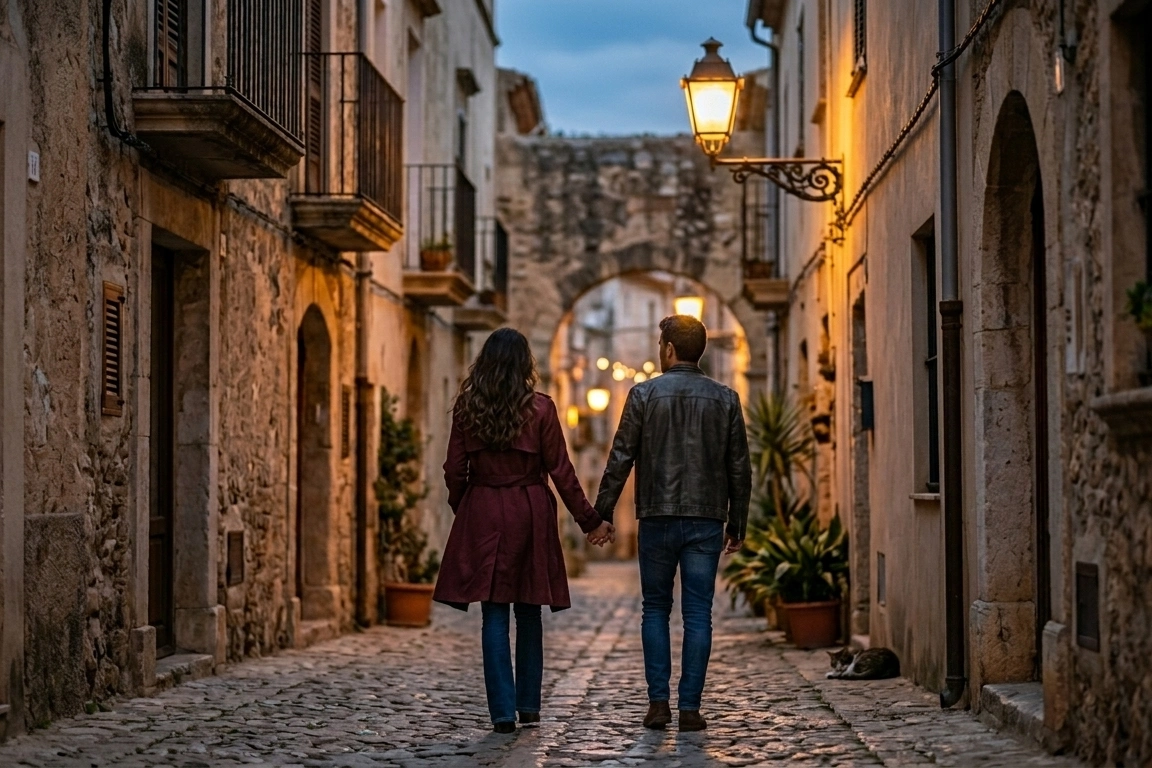
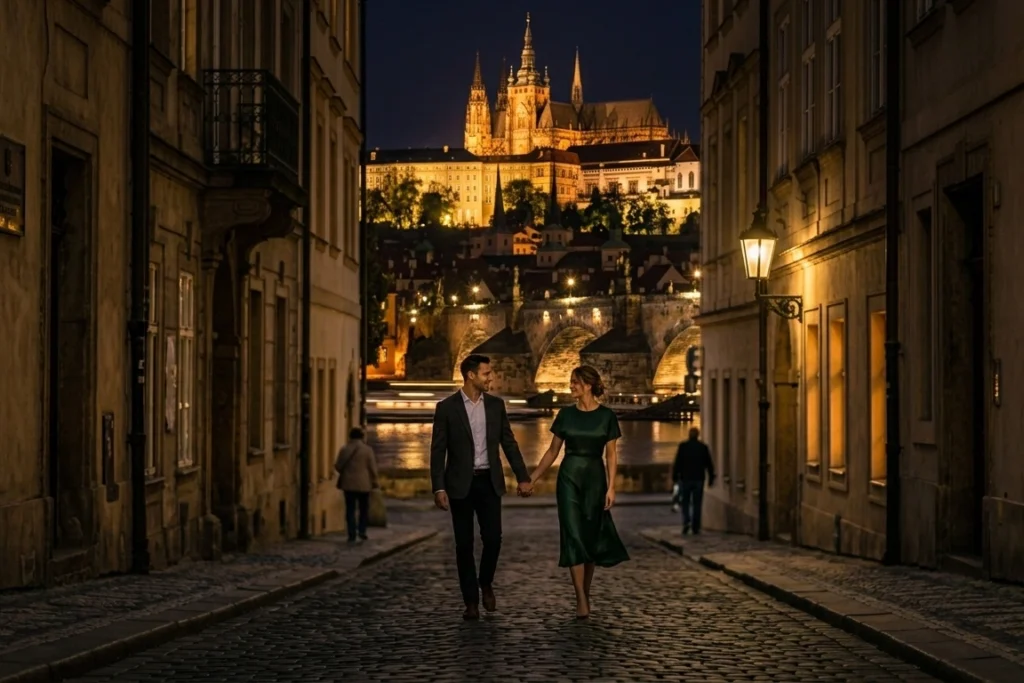
Think about the kind of place your partner responds to, not just the kind of place that photographs well. A beach at sunset is a universal image of romance. But not every person feels their best on a beach. Some proposals belong in ancient cities. Some belong on lakes. Some belong in landscapes that required effort to reach.
Understand What the Logistics Actually Involve
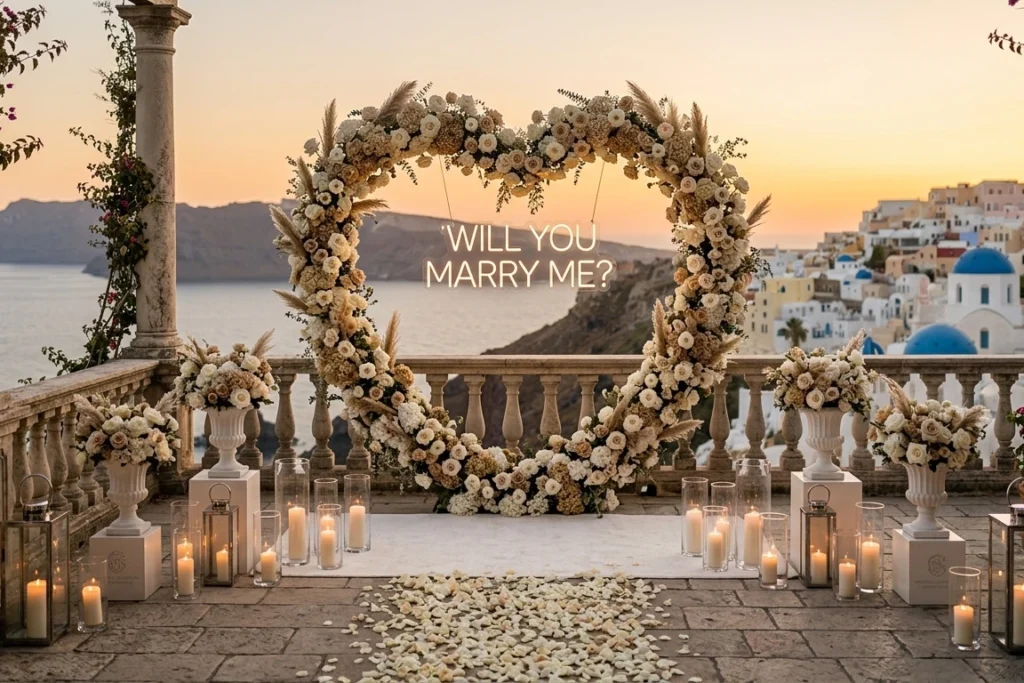
A surprise proposal abroad has several moving parts that must be coordinated without your partner’s knowledge: the location access, the setup team, the photographer, the timing, and the cover story that gets both of you to the right place at the right time.
Each of these requires a contact in the destination who knows what they are doing. A photographer who has never worked the specific beach you have chosen will not know where the light falls at the hour you need. A setup team who was briefed on the morning of the proposal will not produce the same result as one who confirmed logistics a week in advance.
This is the core argument for working with a dedicated proposal planner: not that you cannot manage the coordination yourself, but that doing it correctly from a distance, in an unfamiliar environment, around a secret, is genuinely demanding. The couples who find it most stressful are usually the ones who started with a plan to handle it themselves.
Timing Is a Decision, Not an Afterthought
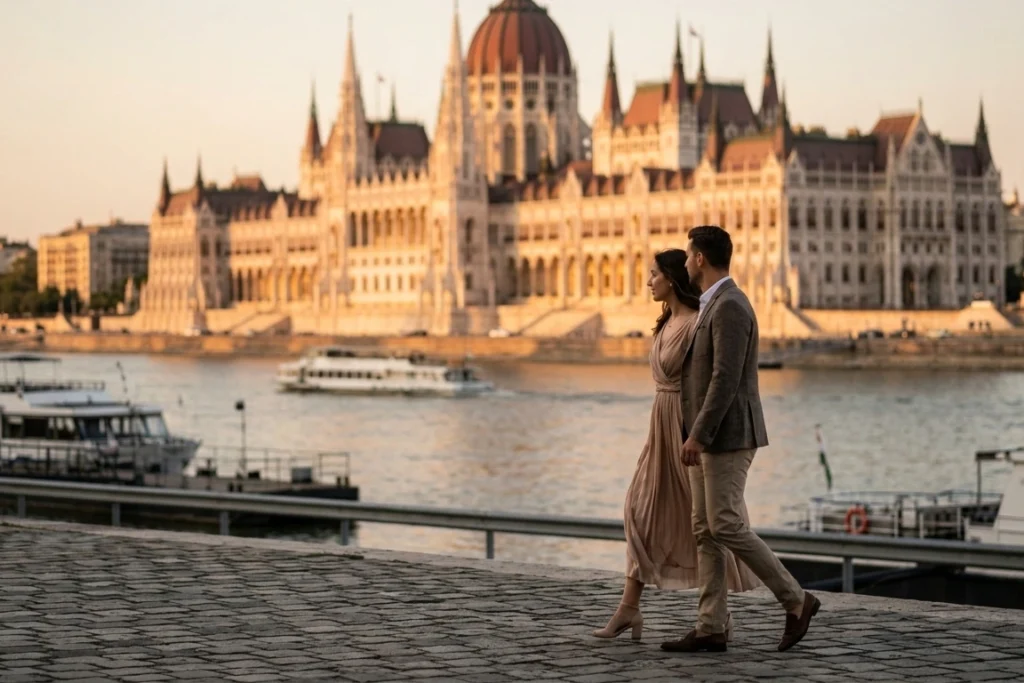
Golden hour – the forty-five minutes before sunset – is the correct window for most outdoor proposals. The light is warm and directional, the temperature has softened, and the atmosphere changes in a way that most locations respond to beautifully.
But golden hour moves throughout the year, and its quality varies by destination and season. Late May in Greece is different from August in Greece, both in light and in how many other people are sharing the location with you.
The best proposals are planned for a specific window, not a general time of day. Know what time the sun sets in your destination on your specific date. Build the cover story around arriving at that location twenty minutes before.
Keep the Circle Small
The more people who know about the proposal in advance, the greater the chance of accidental exposure. Well-intentioned hotel staff, mutual friends, a message seen at the wrong moment – all of these have interrupted proposals that were otherwise perfectly planned.
Brief only the people whose role requires it: the planner, the photographer, the setup team. If the hotel is involved, be specific about what they need to know and what they do not.
The Day Itself
On the day, your only job is to get to the location. Everything else should already be in place.
If that sentence describes the experience you want – arriving somewhere that has been quietly built around the moment you have been planning – then working with a professional planner is the most direct route to it.